
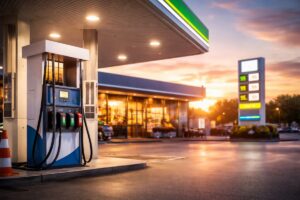
Informed Consumer: What Makes a ‘Good’ Service Station? (It’s Not Just Price)
When most people choose where to fill up, the decision is usually made in seconds. A quick glance at the price board, maybe a comparison against the station across the road, and that’s enough to decide. It feels logical. Fuel is fuel, right?

The Hidden Compliance Shift: From ‘Checklists’ to ‘Proof of Control’
For years, compliance in the fuel industry has largely been treated as a checklist exercise. Tasks are completed, forms are signed, reports are filed, and the assumption is that the site is operating within requirements. For a long time, that approach seemed sufficient. If nothing went wrong and inspections were passed, there was little reason […]

SIRA Compliance in Australia: The Ultimate Guide for Fuel Site Owners in 2026
If you operate a fuel site in Australia, you’ve probably noticed one trend: SIRA is suddenly everywhere. Search volumes are climbing, regulators are tightening expectations, and more site owners are being asked to demonstrate accurate fuel reconciliation practices. The days of assuming your ATG will “pick up any issues” are long gone. Today, SIRA compliance […]

Worker-Compliance & Employment Law Risks at Service Stations
Fuel retail is more than pumps. It’s people, safety, and a full compliance ecosystem. Across Australia, more petrol outlets are being fined for employment law breaches than environmental ones. Underpayments, poor record-keeping, visa worker issues, and unsafe staffing practices are becoming the new front line of risk for fuel retailers, and most owners don’t see […]
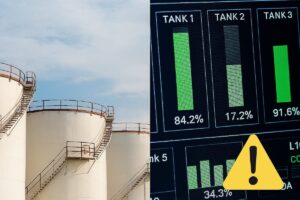
Fuel Security & Minimum Stockholding Obligations Defining 2026
As 2025 draws to a close, Australia’s fuel industry is entering a new era of compliance. The Minimum Stockholding Obligation (MSO), introduced under the Fuel Security Act 2021, is now fully operational, and regulators are signalling that enforcement will intensify in 2026. For service station operators, this is not a distant policy issue, it is […]
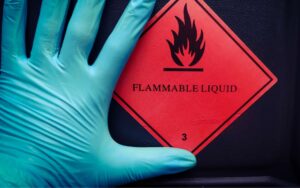
When a Service Station Leak Costs $9 Million: Lessons for Today
Nearly a year after the NSW Kanwal case made headlines, the fallout (and opportunity) continues to grow. Fines are rising, enforcement is tightening, and directors may now be held personally liable, even if companies wind up. Here’s why every service station owner needs to act now and how OP can help you stay ahead.

Compliance & Enforcement Trends for 2025–26
The Clean Energy Regulator is ramping up enforcement – complete applications, on-time reporting, and full compliance are now mandatory. Even for service station owners, the touch-points are growing: solar installations, vendor practices, and small-scale technology claims can all bring you within the regulator’s field of vision.

Turn Compliance into a Competitive Advantage
Contamination risk doesn’t care whether a site sells coffee or just fuel. Across Australia, environmental regulators are sharpening scrutiny – especially on service stations – due to their underground infrastructure and potential for long-term soil or groundwater harm. In June 2025, several official updates reinforced this trend, making environmental compliance a critical, ongoing business consideration.
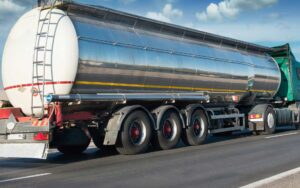
Fuel Quality Standards Tighten, What Service Station Owners Need to Know
Did you know that, from December 2025, Australia has begun enforcing major updates to petrol quality standards that will affect every service station in the country. These changes aim to reduce vehicle emissions, improve public health, and bring our fuel in line with global best-practice.

Take Control Of New Mandatory Climate Change Reporting
Australia’s new mandatory Climate Change Reporting (CCR) laws, are now effective as of January 1, 2025. This marks a transformative shift in business accountability that requires businesses to take a proactive approach to climate risk and emissions reporting. For service station operators, this means navigating new regulations that can feel overwhelming.