

National Road-User Charge for EVs: What Fuel-Only Service Stations Need to Know
Australia is moving toward a national road‑user charge (RUC) for electric vehicles to fill the funding gap left by declining fuel excise, and it matters to service station owners, even if you don’t sell EV charging. Your station remains at the core of road use funding, so knowing what’s coming is critical for long-term planning. […]

Compliance & Enforcement Trends for 2025–26
The Clean Energy Regulator is ramping up enforcement – complete applications, on-time reporting, and full compliance are now mandatory. Even for service station owners, the touch-points are growing: solar installations, vendor practices, and small-scale technology claims can all bring you within the regulator’s field of vision.

Turn Compliance into a Competitive Advantage
Contamination risk doesn’t care whether a site sells coffee or just fuel. Across Australia, environmental regulators are sharpening scrutiny – especially on service stations – due to their underground infrastructure and potential for long-term soil or groundwater harm. In June 2025, several official updates reinforced this trend, making environmental compliance a critical, ongoing business consideration.
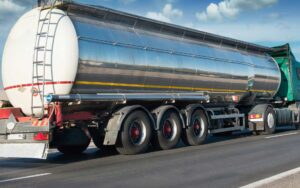
Fuel Quality Standards Tighten, What Service Station Owners Need to Know
Did you know that, from December 2025, Australia has begun enforcing major updates to petrol quality standards that will affect every service station in the country. These changes aim to reduce vehicle emissions, improve public health, and bring our fuel in line with global best-practice.

Take Control Of New Mandatory Climate Change Reporting
Australia’s new mandatory Climate Change Reporting (CCR) laws, are now effective as of January 1, 2025. This marks a transformative shift in business accountability that requires businesses to take a proactive approach to climate risk and emissions reporting. For service station operators, this means navigating new regulations that can feel overwhelming.

Risk Management in Fuel Stations
Risk management involves the systematic identification, evaluation, and mitigation of potential hazards. In the context of Australian fuel stations, these risks include environmental, operational, and health and safety challenges. Let’s take a look at some of the essential risk factors and regulations you need to be aware of.
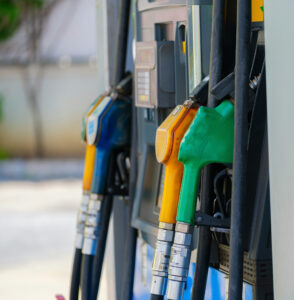
Compliance Obligations of Underground Storage
The Australian Government has complied the standard AS 4897-2008 to provide requirements and recommendations for the underground storage of petroleum products that is based on the Australian Institute of Petroleum code of practise and is a requirement of all service station owners and operators to comply with.

A Year of Empowering Excellence
Nearly one year ago, Oracle Petroleum was born from nearly two decades of expertise in the petrochemical and compliance industries. We set out to meet a pressing need in the ever-evolving landscape of service station requirements and compliance legislation. Our mission is to empower service station owners to achieve their business goals and operate their […]