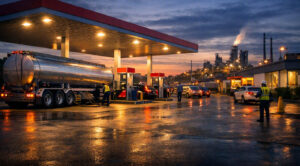
Compliance & Law
The regulatory landscape for service stations is constantly evolving. Our dedicated team of compliance experts stays abreast of the latest industry regulations and legal requirements.
We offer ongoing guidance and support to ensure your service station operates seamlessly within these parameters. Our proactive approach minimises the risk of non-compliance and associated penalties.
Do you know what you need to do in order to be compliant?
It is crucial you take the time to discover what is required for you to legally operate a service station in Australia as outline by the Australian Government and other regulatory organisations.
Read more on our Compliance Obligations in Australia post or look at the Comprehensive Compliance Program page to find out more about all of the areas we help you keep up to date, legally accountable and operating safely and compliantly.
We ensure your service station operations comply with these regulations, minimising the risk of incidents and safeguarding your staff, customers, and the surrounding environment.
Some of the other important standards, regulations and frameworks that you need to be aware of, that our program ensure you are compliant with are outline below.
W.H.S Act – 2011, W.H.S Regulation-2017, Fire & Safety Regulation Standards Records
Oracle Petroleum is committed to prioritising the safety and health of your staff and customers. Our services are designed to ensure your service station adheres to the stringent requirements of the Work Health and Safety Act (WHS Act) 2011 and its associated regulations, including the WHS Regulation 2017 and Fire Safety Regulation.
This includes conducting regular safety inspections, maintaining comprehensive records, and implementing effective risk management strategies.
P.O.E.O Act -1997, U.P.S.S Regulation-2019
Protection of the Environment Operations Act (POEO Act) 1997 governs environmental protection in Australia.
Our services ensure your service station complies with the relevant regulations, including the Underground Petroleum Storage Systems (UPSS) Regulation 2019.
This encompasses proper storage and handling of fuels, spill prevention measures, and responsible waste management practices. By adhering to these regulations, you minimise environmental impact and ensure the long-term sustainability of your operations.
Dangerous Goods Road and Rail Transport Act 2008
DG R&RT Act
This act governs the safe transport and storage of dangerous goods, including fuels like gasoline, diesel, and LPG. Oracle Petroleum understands the intricacies of this act and its implications for service stations.
We can assist you in developing procedures for the safe receipt, storage, and dispensing of fuels, ensuring compliance with labelling, packaging, and segregation requirements.
Australian Dangerous Goods Code
ADG Code
The ADG Code provides a detailed set of guidelines for the classification, packaging, labelling, handling, and storage of dangerous goods.
Our team of experts stays current with the latest revisions of the ADG Code and ensures your service station operations adhere to its critical safety protocols. Examples of this could involve implementing proper signage for dangerous goods storage areas, maintaining accurate safety data sheets (SDS), and training staff on the safe handling of fuels.
AS/NZS 60079.10.1
Explosive Atmospheres – Classification of Areas
This Australian/New Zealand Standard defines zones within a service station that may be at risk of explosive atmospheres due to flammable vapours. Understanding these zones is crucial for ensuring electrical safety.
Oracle Petroleum can assist you in identifying these zones and implementing appropriate electrical equipment selection and maintenance practices as outlined in the standard. This minimises the risk of sparking and potential explosions.
AS 2444
Earthing
Proper earthing is essential for preventing electrical faults and potential fires.
Our services ensure your service station’s earthing system complies with AS 2444, safeguarding staff, customers, and equipment. This may involve inspections and maintenance of earthing systems by qualified electricians.
AS 1851
Maintenance of Fire Hydrants
Fire hydrants are critical for emergency fire response. AS 1851 establishes guidelines for the maintenance and testing of fire hydrants.
Oracle Petroleum can help ensure your service station’s fire hydrants are regularly inspected and maintained in accordance with this standard, guaranteeing their functionality in the event of a fire.
AS 1940
The Storage and Handling of Flammable and Combustible Liquids
This standard outlines specific requirements for the safe storage and handling of flammable and combustible liquids, including fuels.
Our services ensure your service station adheres to these requirements, encompassing proper storage tank construction and maintenance, bunding and spill containment measures, and safe dispensing procedures.
Why your business needs the ‘Oracle Advantage’
Partnering with Oracle Petroleum provides peace of mind, knowing that we stay up-to-date on evolving regulations and industry best practices.
With our Comprehensive Compliance Program you gain access to a team of experts who can guide you through the complexities of these regulations and ensure your service station operates in full compliance. This minimises the risk of incidents, safeguards your staff and customers, and protects the environment.
We are proactive in managing compliance matters, allowing you to focus on running your business with confidence.
Contact our friendly, expert team today and learn about the benefits of utilising our expert industry experience and passion for compliance.
Latest News

What an Oracle Compliance Manager Could Mean for Your Business
Most operators believe they have a compliance program. Documents exist, registers are maintained, tasks are scheduled, and obligations are broadly. read more